Emergency Dentist Answers: Is a Chipped Tooth Always Urgent?

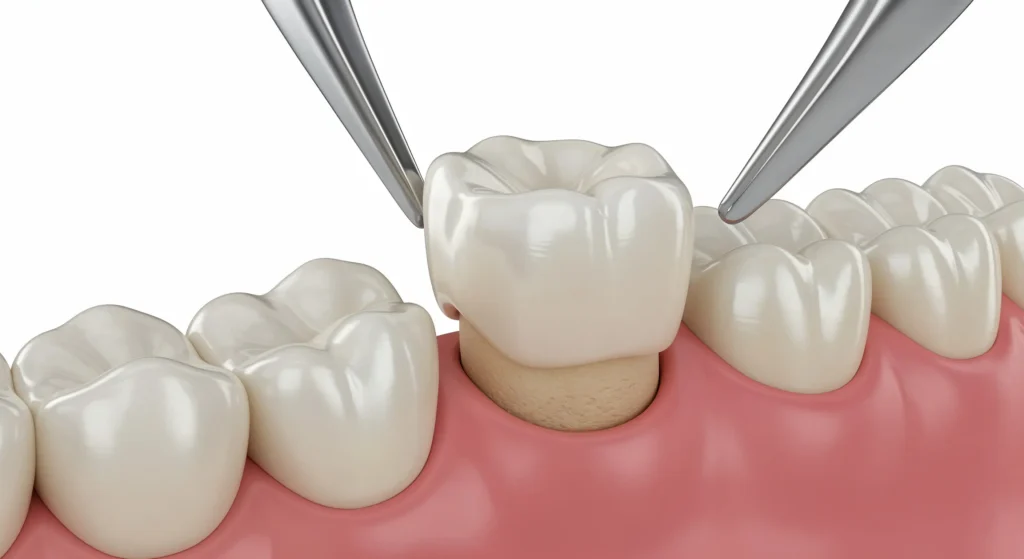

A chipped tooth can look dramatic, feel minor, or behave somewhere in between. That is what makes this question harder than people expect. Some chips are mostly cosmetic and can wait a few days. Others involve deeper damage, sharp edges, exposed dentin, nerve irritation, or a crack line that keeps traveling every time you bite. The appearance alone does not tell the whole story.
In practice, the urgency depends less on the size of the missing piece and more on three things: pain, tooth structure, and function. A tiny front tooth chip from biting a fork may not need same-day care. A back molar with a broken cusp after chewing ice may not bleed or swell, yet still deserves prompt attention because the tooth can split further under pressure. That is why an Emergency Dentist will often ask a set of very specific questions before deciding whether you need immediate treatment or the next available appointment.
People are often surprised by how quickly a manageable chip can become a larger problem. A rough edge can cut the tongue, an exposed inner layer can become sensitive to air and cold, and a weakened corner can fracture more deeply at dinner that same night. At the same time, there is no benefit in panicking over every tiny enamel nick. Good judgment matters more than fear.
What a chipped tooth actually means
Not every chip is the same injury. Teeth are layered structures. The outer enamel is the hard shell. Under that is dentin, which is softer and more porous. In the center is the pulp, where the nerve and blood supply live. A superficial chip that stays in enamel is very different from one that exposes dentin or reaches the pulp.
This is why two people can both say, “I chipped a tooth,” and need completely different care. One may need a quick polishing or bonding. The other may need a crown, root canal treatment, or extraction if the fracture extends too far below the gumline. The word “chip” sounds small, but it can cover a wide range of damage.
There is also a difference between a true chip and a crack. A chip means a piece has broken off. A crack may leave the tooth largely intact at first, but pain on biting, temperature sensitivity, or intermittent discomfort can point to a fracture line that is not obvious in the mirror. Cracks are often trickier than chips because they can deepen with each bite.
Molars and front teeth behave differently too. Front teeth are more visible and often chip in falls, sports injuries, or minor accidents. Molars usually fracture from force, grinding, large fillings, or biting hard foods. A back tooth chip often signals that the tooth was already under strain.
When it is urgent and when it can wait
Urgency is about risk, not just discomfort. If the injury could worsen quickly, compromise the nerve, or interfere with eating and speaking, it deserves prompt care. If it is stable and painless, there may be more flexibility.
Here are the signs that should push you toward same-day or next-day attention from an Emergency Dentist:
- Significant pain, especially pain that lingers, throbs, or wakes you at night
- Sensitivity to cold, heat, or air that starts right after the chip
- A sharp edge that cuts your tongue, cheek, or lip
- A large missing piece, especially from a molar used for chewing
- Swelling, bleeding around the tooth, or any sign the tooth feels loose after trauma
If none of those are present, the chip may be less urgent, but that does not mean ignore it for weeks. Teeth rarely heal themselves. Even a painless chip can trap plaque, change your bite, or weaken the tooth enough for a larger fracture later.
One pattern dentists see often is the patient who chips a tooth on Friday, feels no real pain, and waits. By Monday, the tooth hurts when chewing because the unsupported area has broken more. The initial injury was manageable. The delay made the repair more complex.
The small chips that usually are not emergencies
A tiny enamel chip without pain is usually the least urgent scenario. These often happen on the edge of a front tooth from nail biting, chewing pens, clenching, or a light impact. Sometimes the patient notices it only because the tooth feels slightly rough when the tongue touches it.
In those cases, treatment is often straightforward. A dentist may smooth the edge, place tooth-colored bonding, or simply monitor it if the defect is minimal and does not affect appearance or function. If the bite is contributing, the conversation may shift toward a night guard or habit changes. Repairing the chip without addressing the cause can invite a repeat.
Still, “not urgent” does not mean “unimportant.” Small chips can be clues. Repeated edge chipping in the same area can point to teeth grinding, acid erosion, bite imbalance, or weakened enamel. Cosmetic concerns also matter. A front tooth may be structurally safe but personally distressing, especially if you work in a public-facing role or have an upcoming event.
The chips that deserve quick attention even without severe pain
Some fractured teeth are deceptively calm at first. A broken corner on a molar may only feel odd when you chew, yet that missing piece has changed how force travels through the tooth. What remains may flex more than it should. Every meal becomes a stress test.
This is especially true when a tooth already has a large filling. Dentists often see a cusp, the pointed part of a back tooth, break off around an old restoration. Patients may say, “It doesn’t really hurt, I just felt something crunch.” Those situations frequently need a crown or other protection sooner rather than later, because the remaining walls are vulnerable.
Another issue is exposed dentin. Dentin is less hard than enamel and transmits sensation more readily. When it is uncovered, the tooth may react to cold drinks, breathing in through the mouth, or sweet foods. Even if the sensitivity is tolerable, bacteria have easier access than they would through intact enamel. Prompt repair helps preserve the tooth and reduce the chance of nerve irritation later.
What pain is trying to tell you
Pain is useful, but imperfect. Severe pain can mean inflammation inside the pulp, a deep fracture, or trauma to the ligament around the tooth. Sharp pain on biting and release often raises suspicion for a crack. Constant throbbing can suggest the nerve is struggling. Temperature sensitivity that lasts more than a few seconds after the stimulus is gone tends to concern dentists more than a brief zing.
But the absence of pain is not a free pass. Teeth can fracture without immediate symptoms, especially if the nerve is not yet involved. A person with a high pain threshold may also underread a problem. That is why dentists look at the whole picture: where the tooth is, how much structure is missing, whether the bite has changed, and whether there was trauma to the mouth or jaw.
If a chip happened in a fall or sports accident, it is worth thinking beyond the visible damage. Teeth can be bruised, displaced, or cracked below the surface. A seemingly modest chip after a blow to the mouth deserves a professional exam even if you feel reasonably fine.
What an Emergency Dentist looks for
When you call with a chipped tooth, the triage questions are usually practical. When did it happen? Is there pain? Is there bleeding? Is the tooth sharp, loose, or discolored? Can you chew on https://erickcvbe931.rivetgarden.com/posts/emergency-dentist-warning-signs-of-a-hidden-dental-infection it? Was there trauma to the face? Did a filling come out with it? These details help determine timing.
At the appointment, the dentist will usually examine the fracture under good light, check how the upper and lower teeth meet, test for mobility, and look for signs of crack propagation. Dental X-rays may show whether the break extends near the nerve or below the gumline, though small cracks do not always show clearly on radiographs. Sometimes the diagnosis comes from a combination of history, symptoms, and how the tooth behaves under gentle pressure.
Patients sometimes expect one standard fix, but the treatment depends on what remains. A smooth enamel chip may need polishing. A visible front tooth chip may call for bonding. A molar missing a substantial section may need a crown. If the pulp is exposed or irreversibly inflamed, root canal treatment may be necessary before rebuilding the tooth. In the worst cases, especially when the fracture runs vertically or far below the gumline, saving the tooth may not be possible.
That range is exactly why self-diagnosis can mislead. Two chipped teeth can look similar in a bathroom mirror and have very different prognoses in the chair.
What you can do at home before you are seen
The goal at home is simple: protect the area, control discomfort, and prevent the chip from becoming a larger break. If you saved the broken piece, bring it with you. It cannot always be reattached, but it can help the dentist assess shape and fit.
Use these steps until you can be examined:
- Rinse gently with warm water to clear debris and keep the area clean
- Cover a sharp edge with dental wax or sugar-free gum if it is cutting soft tissue
- Avoid chewing on that side, especially hard, crunchy, or sticky foods
- Use a cold compress on the outside of the face if there is swelling from trauma
- Take an over-the-counter pain reliever as directed, if you normally can take it safely
A few things are worth avoiding. Do not test the tooth repeatedly with hard foods to “see if it’s okay.” Do not try to file it yourself. Do not glue the fragment back on with household adhesive. And do not place aspirin directly against the gum, which can irritate the tissue.
If the chip happened with a blow to the mouth and the tooth feels loose, keep manipulation to a minimum. A tooth that has been traumatized may need stabilization, and extra wiggling does not help.
Children, sports injuries, and front teeth
Chipped teeth in children create a different kind of urgency because age matters. A chipped baby tooth may not be restored the same way a permanent tooth would, but it still deserves evaluation, especially after a fall. The dentist needs to know whether the root or surrounding tissues were injured and whether the developing permanent tooth could be affected.
With permanent front teeth in children and teenagers, timing becomes more important. If a significant piece breaks off, especially after sports or playground trauma, quick care can improve the odds of conservative treatment. Sometimes the broken fragment can be reattached if it has been preserved appropriately and the fracture pattern allows it. Even when that is not possible, prompt attention helps manage pain, assess nerve health, and restore appearance.
Parents often focus on the visible chip, understandably so. The less visible issue is whether the tooth also suffered an impact injury that may show up later as color change, sensitivity, or root complications. Follow-up matters after trauma, not just the first repair.
Why some people chip teeth more than others
A chipped tooth is sometimes bad luck, but repeated chipping is usually a pattern. Teeth break when force exceeds structure. That can happen because the force is unusually high, the tooth is unusually weak, or both.
Night grinding is a common culprit. So are large old fillings that leave thin tooth walls, acid wear from reflux or frequent acidic drinks, and habits such as chewing ice. Bite alignment can also play a role. If one tooth or one cusp takes more than its share of the load, it becomes the mechanical weak point.
I have seen patients who swore the latest chip happened from “nothing more than toast.” In many of those cases, toast was not the real cause. The tooth had been undermined for years by a large restoration or heavy clenching. The final break simply happened during an ordinary bite.
That distinction matters because treatment should address the reason the chip occurred. A beautiful repair on a heavily loaded tooth may fail again if the bite is not adjusted or the patient does not protect the teeth at night.
What treatment might involve
For small, visible chips on front teeth, composite bonding is often the practical answer. It can be shaped conservatively, matched to tooth color, and completed in one visit in many cases. It is not indestructible, but it preserves healthy tooth structure and works well for minor to moderate defects.
When a larger portion of a tooth is missing, especially a back tooth, a crown may offer better long-term protection. Crowns cover and reinforce the remaining structure. They are often recommended when a cusp has broken or when the tooth has a history of large fillings and recurrent stress.
If the fracture reaches the pulp, treatment becomes more involved. Root canal therapy may be needed to remove inflamed or infected tissue before the tooth is restored. That sounds intimidating to many patients, but the alternative, leaving a compromised nerve untreated, usually leads to more pain and more difficult care later.
Not every broken tooth can be saved. If the fracture extends deep below the gumline or splits the root, extraction may be the realistic option. That is never the first choice, but it is sometimes the sound one. In those cases, discussion moves to replacement options and timing.
The question most people really mean
When patients ask whether a chipped tooth is an emergency, they often mean one of two things. First, “Can I wait without making this worse?” Second, “Am I overreacting if I call right away?” Both are reasonable questions.
You are not overreacting if the tooth hurts, feels sharp, looks substantially broken, or followed a traumatic hit. You are also not reckless if a tiny painless enamel nick waits a short time for a standard appointment. The key is not to guess based on size alone. A small chip with temperature sensitivity can be more urgent than a larger one that is stable and confined to enamel.
If you are unsure, call. A good dental office, especially one offering Emergency Dentist services, can usually sort these cases quickly by phone and tell you whether you need immediate care, urgent care within a day or two, or a routine visit.
A practical rule of thumb
A useful rule is this: if the chip changed how the tooth feels, how you bite, or how your mouth tissues are being injured, it deserves prompt attention. If it merely changed how the tooth looks and there is no pain or roughness, there is often more flexibility, though it should still be evaluated.
Most regret around chipped teeth comes from underestimating them, not from having them checked too soon. Teeth rarely reward neglect. The best outcomes usually come when damage is assessed early, protected appropriately, and restored before a manageable problem turns into a more expensive one.
A chipped tooth is not always urgent. Sometimes it is little more than a cosmetic annoyance. Sometimes it is the first visible sign of deeper structural trouble. Knowing the difference is where experience matters, and it is why a timely exam can save not just comfort, but the tooth itself.
Simple Dental Vermont
Address: 8914 S Vermont Ave, Los Angeles, CA 90044
Phone number: +13239493000
FAQ About Emergency Dentist Los Angeles CA
What can the ER do for a tooth?
The emergency room can provide temporary symptom relief for a bad tooth, such as prescribing pain medicine or antibiotics, but it cannot fix the actual dental problem.
What is the 3-3-3 rule for tooth infection?
The 3-3-3 rule for a toothache or infection typically means taking three 200 mg ibuprofen tablets (600 mg total) three times a day for no more than three days to control pain and swelling while waiting to see a dentist.
What do you do if you have a dental emergency but no dentist?
If you have a dental emergency and no regular dentist, you should search for an urgent care dental clinic, call local walk-in dental offices, or go to a hospital emergency room if you have severe bleeding, swelling, or trouble breathing.